
South African businesses earn trust fastest when they stop sounding like everyone else. The ones that get remembered tend to know who they are for, why they exist, and how to show up with enough consistency that a buyer can tell the difference in a few seconds.
That sounds basic because it is. But basic is where most brands stumble. They try to be broad, clever, and visible all at once, then wonder why the market treats them like background noise. Clear brand strategy does the opposite. It narrows the message, sharpens the offer, and gives customers a reason to believe the business will still be there after the first purchase.
What a strong brand strategy actually does
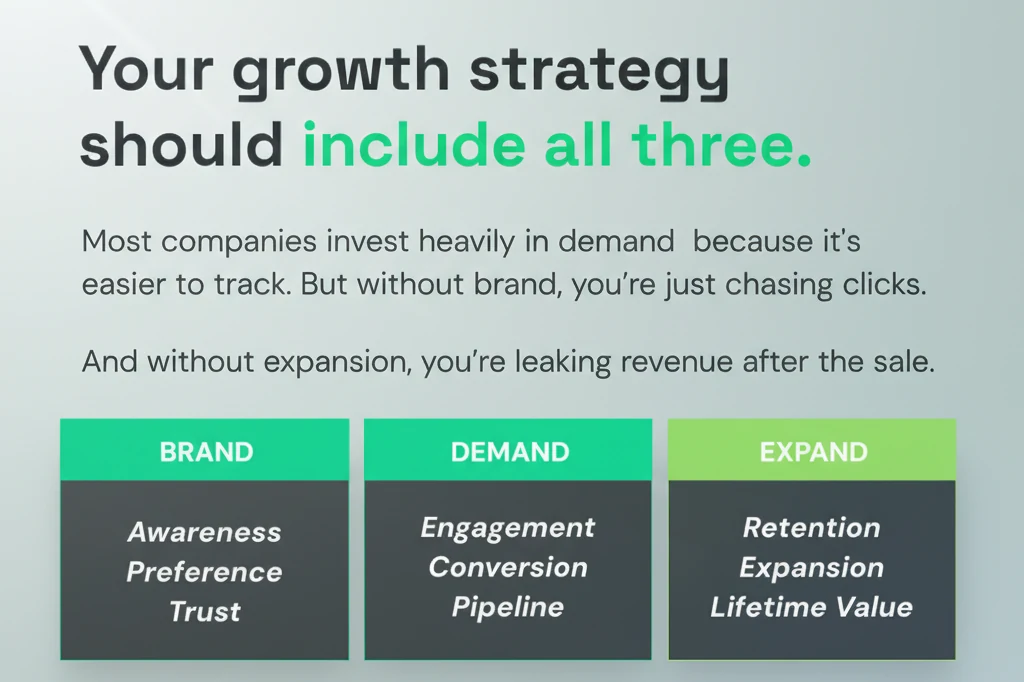
A brand strategy is not a logo exercise with a few extra adjectives attached. It is the plan that links awareness, loyalty, and sales into one working system. Done properly, it gives a business a clear position, a recognisable tone, and enough discipline to keep the message consistent across ads, product pages, service interactions, and follow-up comms.
The practical job is simple: define who the brand is for, what problem it solves, and why anyone should choose it over the next business in the same category. Kantar’s point on this is blunt. Brands that feel meaningfully different to more people reach 5 times more penetration today, and they carry stronger growth potential over the next two years. That is not a branding vanity metric. It is a commercial advantage.
The most persuasive brands also keep the customer journey in view. On Brand and Growth Strategy with YLO, the logic is familiar: strategy only works when it connects the audience, the offer, and the channel plan instead of treating them as separate jobs.
The audience comes first
A brand cannot speak clearly if it has no clear audience in mind. The smarter businesses start by mapping their serviceable addressable and obtainable market, then splitting that into buyer groups with different habits, budgets, and reasons to care. A student in Cape Town shopping on price does not respond to the same tone as a family in Gauteng buying for convenience, and pretending otherwise is how campaigns waste money.
Buyer personas matter because they keep the business honest. They force decisions about tone, visuals, wording, and product fit. They also stop the brand from chasing every possible customer and ending up meaningful to none of them. In South Africa, that discipline matters even more because consumers are quick to spot when a business is speaking to everyone and selling to no one.
This is where Paid Campaign Management and Orchestration fits into the picture. Paid media only looks clever when it is aimed at the right people with the right message. Without that, it becomes a loud bill for weak attention.
Purpose beats noise
Most brands talk too much and say too little. A proper purpose statement cuts through that. It should read like a single, usable answer to four questions: what does the company do, what problem does it solve, what makes it different, and why should a customer trust it over a similar offer.
If the answer to those questions is fuzzy, the market notices. Buyers may not use branding language, but they know when a business feels generic. They know when a company has no fixed point of view. They also know when a business has decided to stand for something specific and can defend that choice with products, service, and consistency.
That is why purpose is not soft language for boardrooms. It is part of the commercial case. A clear position tells consumers what kind of relationship they are entering, and it gives the business a stable way to grow without changing its identity every quarter.
Story is where loyalty starts
People remember stories faster than features. A brand story gives shape to the offer, and when it is believable, it creates familiarity without feeling repetitive. The best stories do not sound like marketing copy dressed up as personality. They sound like a business that knows its own history, its own customers, and the reason it exists.
That story has to show up everywhere, not just on a homepage banner. It should sit in ads, landing pages, product descriptions, and customer service tone. A brand that says one thing in advertising and another in the checkout flow burns trust quickly. Consumers may not frame it that way, but they feel the mismatch immediately.
A good story also gives the brand a home. A dedicated digital space lets customers explore the range, understand the mission, and come back later without starting from zero. That kind of structure is part of the reason Kadabra SEO matters to consumer visibility. If people cannot find the story, they cannot evaluate it.
Digital presence should earn its keep
Brands that want growth cannot rely on one channel to do all the work. Discovery, consideration, and purchase often happen in different places, so the strategy has to follow the shopper rather than demand the shopper follow the brand. That is where full-funnel thinking earns its keep.
Amazon Ads makes the same case from a platform angle. Brand Stores are meant to create a dedicated storefront for education and storytelling, and the numbers attached to them are hard to ignore. Shoppers who visit a Brand Store buy 53.9% more often and show a 71.3% higher average order value than those who do not. That is what happens when a brand gives people a clear place to learn before they buy.
The same logic applies to ad formats. Sponsored Products help individual items appear where people are already shopping, while Sponsored Brands put the broader range in front of more eyes with stronger creative. When brands combine Sponsored Brands video with Sponsored Products, Amazon Ads says they have seen a 39% rise in ad-attributed sales a month after launch. CRBN Pickleball pushed this further with a full-funnel mix of Sponsored Products, Sponsored Brands, and Amazon Live, then lifted Prime Day sales by 14x.
Oomph! Sweets shows how a narrow brand can still scale if the story is tight enough. Its Sponsored Brands video campaign drove a 303% month-on-month jump in branded searches, and a later streaming TV push brought in 1.1 million impressions in a month, with 96% of those viewers being new to the brand. That is not random reach. That is disciplined attention.
The best brands test before they change
Rebrands happen for a reason. Sometimes the old identity has stopped working. Sometimes the business has moved into a new market. Sometimes the logo, colour system, or voice simply no longer matches who the company serves now. A change can be tiny or dramatic, but it should never be guesswork.
The better operators test first. Surveys, social listening, reviews, and A/B tests tell a cleaner story than internal opinions do. Even a small shift in font, colour, or tone can change how people read a business, which is why live feedback matters before any public rollout.
Good measurement keeps the whole system honest. Website traffic, referral traffic, social engagement, share of voice, sales growth, repeat purchases, and customer lifetime value all show whether the brand is getting stronger or just louder. The businesses worth watching are the ones that treat those numbers as direction, not decoration.
South African consumers do not need perfect brands. They need clear ones. The businesses that win trust are usually the ones that know their audience, hold a firm purpose, tell one coherent story, and keep proving it in the market.